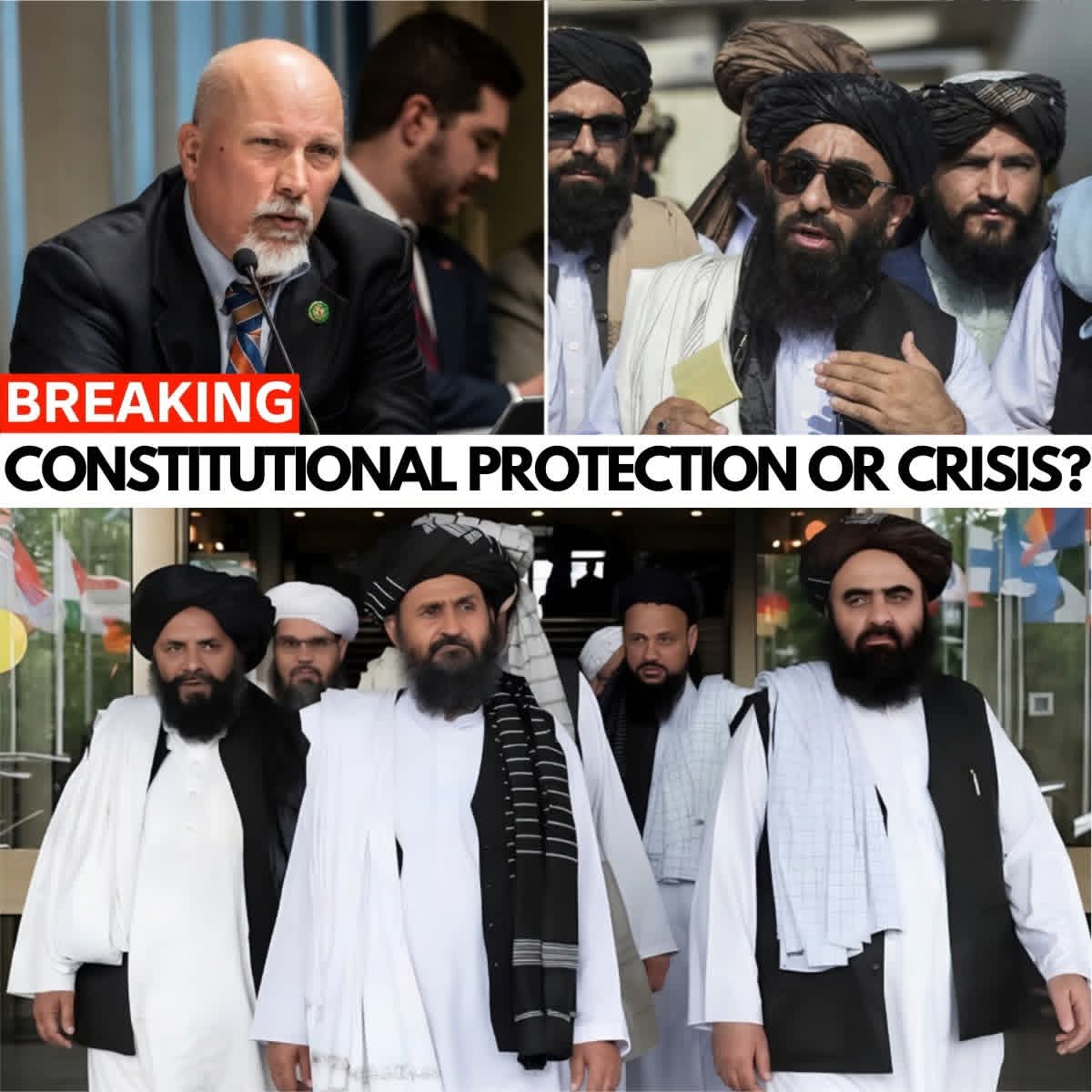
A legislative bombshell is rocking Capitol Hill! Rep. Chip Roy has introduced the “Preserving a Sharia-Free America Act,” a move that could fundamentally change U.S. immigration and deportation lawsThe bill targets migrants who advocate for Sharia law, sparking a massive national debate: is this a necessary defense of American identity or a direct hit to religious freedom? D.C. is in an absolute uproar as civil rights groups and legal experts clash over what happens next.

 CAPITOL HILL ERUPTS AFTER Chip Roy unveiled what supporters are calling one of the toughest immigration and national security proposals in years — and critics are calling one of the most controversial bills in modern American politics.
The legislation, officially titled the “Preserving A Sharia-Free America Act,” would reportedly block foreign nationals who “adhere to Sharia law” from entering or remaining in the United States. �
Representative Chip Roy +1 WHAT THE BILL WOULD DO: • Deny visas and immigration benefits to individuals identified as followers of Sharia law
• Allow deportation proceedings against non-citizens already inside the U.S. who are deemed adherents
• Revoke immigration status for applicants accused of lying about religious or ideological beliefs
• Limit the ability of federal courts to overturn agency decisions tied to removals under the law �
Representative Chip Roy +1
Roy argues the bill is necessary to defend what he calls America’s constitutional order and “Western values,” claiming Sharia ideology is incompatible with the U.S. Constitution. �
Representative Chip Roy +1
Supporters say: The legislation is about national security, not religion America should prevent any legal system from competing with the Constitution Europe’s struggles with extremism should serve as a warning Immigration screening should prioritize constitutional loyalty first �
Representative Chip Roy +2
But critics say the proposal crosses a constitutional line.
Civil rights groups including Council on American-Islamic Relations have condemned the measure as “un-American and unconstitutional,” arguing that it effectively targets Muslims under another name and could violate protections for religious freedom under the First Amendment. �
CAIR
Legal analysts and opponents are raising major constitutional concerns:  Can the government deny entry based on religious adherence? Would courts allow ideological deportation standards this broad? Does the bill conflict with protections for freedom of religion and equal treatment? Could this set a precedent for targeting other belief systems later? �
Legis1 +2
The debate intensified further after Roy and allies launched the so-called “Sharia Free America Caucus,” with supporters warning about political Islam while opponents accuse lawmakers of fueling anti-Muslim fear and division. �
The National +2
Meanwhile, Muslim communities and civil liberties advocates say rhetoric surrounding the proposal has increased fear, security concerns, and social tension in some areas. �
The Washington Post NOW THE BIG QUESTION ROCKING WASHINGTON:
Is this bill a legitimate constitutional defense measure aimed at protecting American law and sovereignty…
OR a dangerous expansion of government power that could redefine religious freedom in America?
